

Dr Prabash Prabhakaran

  • Mon – Sat: 9:00 AM – 6:00 PM | Sun: Closed
  • SIMS Hospital, Vadapalani, Chennai – 600026
About Doctor

Dr.Prabash P R - Neurologist in Chennai

With over 18 years of clinical experience, I specialise in the diagnosis and treatment of complex neurological conditions like vertigo, vestibular disorders, stroke care, sleep-related neurological conditions, and movement disorders.

Sub Tag

Conditions Treated

Early detection and neurological management of stroke symptoms are critical for minimizing long-term complications and improving recovery outcomes.

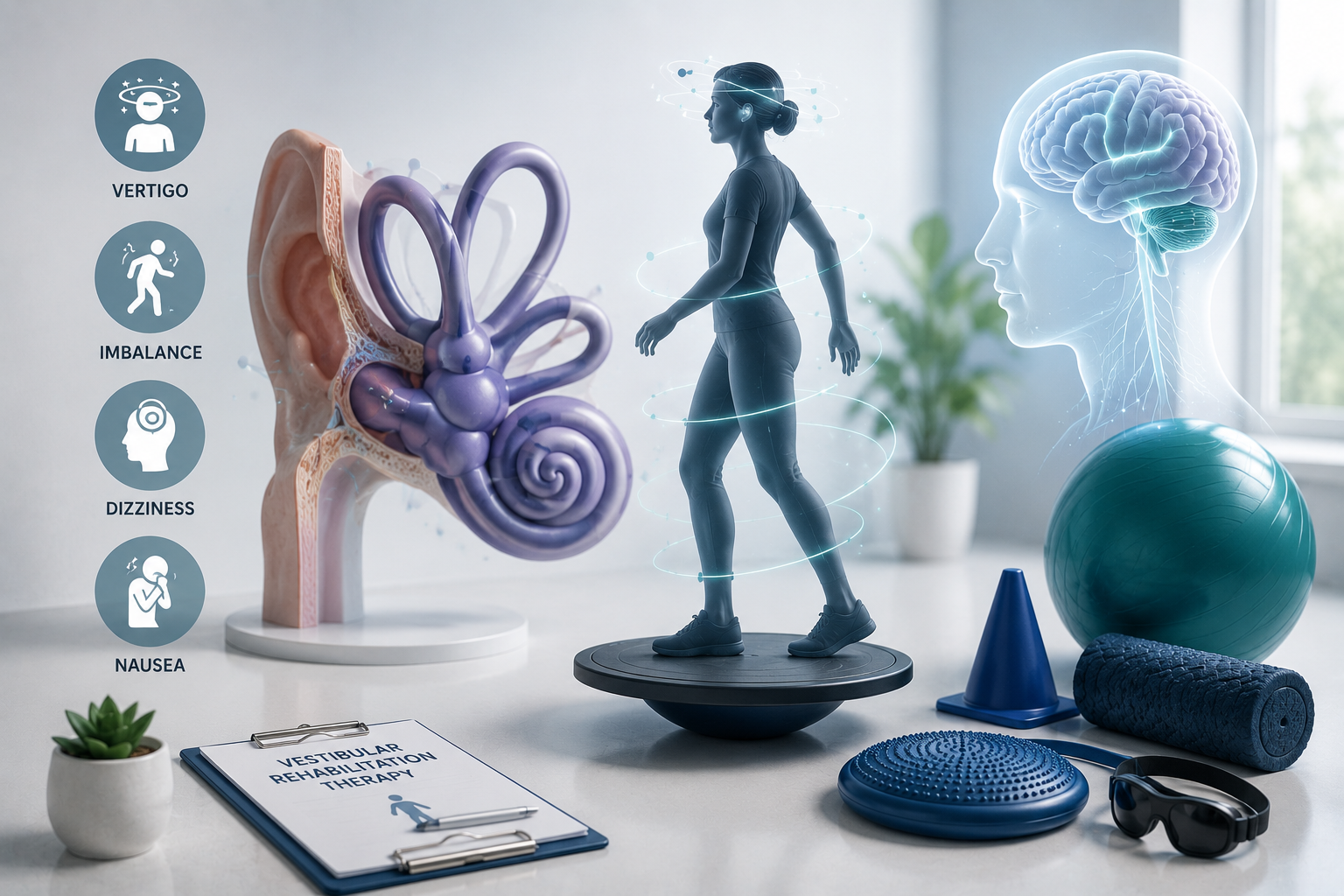
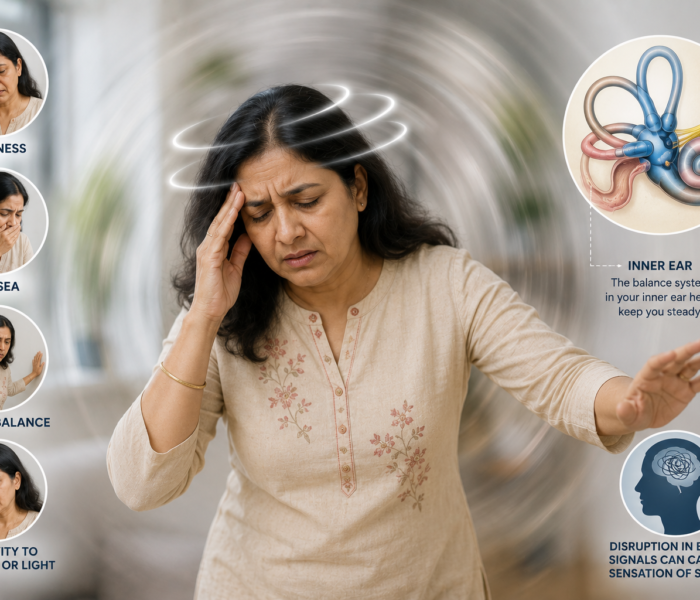
Vertigo is a false sense of spinning or imbalance that is frequently caused by disruptions in the inner ear or brain balance pathways.

Conditions that affect the vestibular system can cause dizziness, imbalance, and difficulty maintaining stability while moving.

Certain sleep disturbances are neurological in origin and can have an effect on brain health, cognitive function, and overall well-being.

Neurological conditions such as tremors, stiffness, and involuntary movements require a thorough examination to determine the underlying cause.

Persistent or unexplained dizziness may be caused by neurological conditions requiring a specialized examination.

Care Process

Our Simple and Effective Care Process

01

Book Your Appointment

Easily schedule your consultation online or by phone at your preferred time.

02

Consult With Specialist

Meet Dr. Prabash for a detailed evaluation and discussion of your neurological concerns.

03

Diagnosis & Treatment Plan

Receive accurate diagnosis and a personalized treatment plan tailored to your condition.

04

Follow-Up Care

Continuous monitoring, guidance, and support to ensure long-term neurological health.

  • Visit Our Clinic SIMS Hospital, Vadapalani, Chennai – 600026
Make an Appointment

Book Appointment

    Conditions

    Conditions Treated

    FAQ'S

    Everything you need to Know

    Sudden posture changes can cause dizziness. However, persistent dizziness, spinning sensations, walking imbalance, or recurring episodes should be investigated. A neurological evaluation can help determine if symptoms are caused by the vestibular system, nerve pathways, or other underlying conditions.

    Stroke symptoms often appear unexpectedly and include weakness on one side of the body, difficulty speaking, facial drooping, vision disturbances, or a sudden loss of balance. These symptoms require immediate medical attention, as early treatment can significantly improve recovery outcomes.

    Certain sleep disturbances may be linked to neurological factors that influence the brain’s control of sleep cycles. Persistent insomnia, abnormal sleep movements, excessive daytime fatigue, or disrupted sleep patterns may require a neurological examination.

    The inner ear, vision, sensory nerves, and brain all work together to maintain balance. Disruptions in any of these systems can result in imbalance or instability. A neurological evaluation can assist in identifying the underlying cause and determining the best course of action.

    Yes. Many neurological conditions progress slowly, and the initial symptoms can be subtle. Mild dizziness, minor changes in coordination, tremors, and sleep disturbances can all be early indicators of neurological changes.

    The term “vertigo” refers to the sensation that one’s surroundings are spinning or moving. The term ‘dizziness’ encompasses a wide range of symptoms such as lightheadedness, imbalance, and feeling faint. Understanding the nature of the symptom aids in determining the underlying cause.

    If you are experiencing persistent headaches, dizziness, balance problems, weakness, numbness, memory issues, seizures, or sudden changes in speech or movement, you should see a neurologist.

    Vertigo refers to the sensation that you or your surroundings are spinning or moving. It is frequently associated with disturbances in the balance system of the inner ear or brain, whereas dizziness can refer to light-headedness or general unsteadiness

    Stroke symptoms may include sudden weakness on one side of the body, facial drooping, difficulty speaking, blurred vision, a severe headache, or sudden imbalance. These symptoms require immediate medical attention.

    Not always. Balance is achieved by coordinating the brain, inner ear, vision, and nerves. Disturbances in any of these systems can result in an imbalance.

    Appointments can be made using the website’s contact form or by contacting the clinic directly. The team will contact you regarding consultation times and availability.

    It is best to bring previous medical reports, imaging scans (MRI/CT if available), current medication information, and a brief history of symptoms.

    Yes. Even minor or sporadic symptoms can indicate underlying neurological problems. Early evaluation helps to identify the cause and prevent symptoms from worsening.

    In most cases, a referral is optional. If patients have concerns about their symptoms, they can request a neurological consultation directly.