Overview
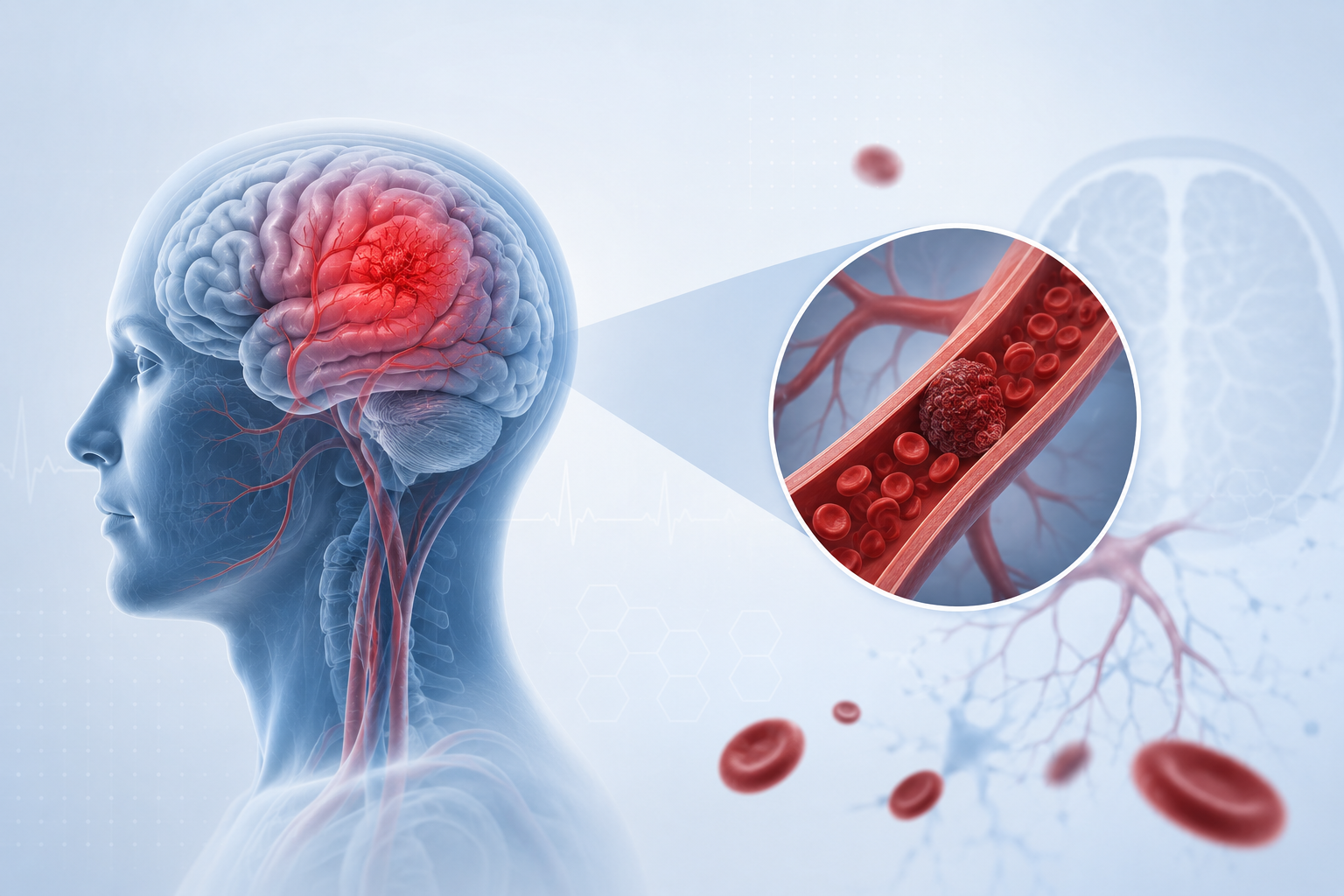
When someone has a stroke, the brain is essentially being starved of blood. No blood means no oxygen, no nutrients and brain cells start dying within minutes. Depending on how long that goes on, it can leave someone unable to move one side of their body, unable to speak, unable to remember things they've known their whole life.
Most people think of stroke care as what happens in the ambulance or the emergency room. That part matters enormously. But honestly, what comes after — the weeks, the months, sometimes the years of recovery — that's where a lot of the real work happens.
So when we talk about stroke care, we mean all of it. The emergency response, the diagnosis, the treatment, the rehabilitation, and the long-term work of preventing it from happening again.
Can someone recover fully? People ask this a lot, and the answer is genuinely: sometimes yes, sometimes partially, sometimes there are lasting effects. What tips the odds in someone's favour is how fast treatment starts and how structured the care is afterwards.
Why the First Few Hours Matter So Much
There's a reason stroke is treated like a fire alarm situation. Every minute of delayed treatment means more brain cells affected. Doctors call the early window the "golden hour" — not because recovery is guaranteed within it, but because the options available and the outcomes achievable are significantly better when treatment starts fast.
The priorities in those early hours: restore blood flow where possible, stop further damage from happening, manage any immediate complications, and start laying the groundwork for recovery.
Strokes can kill. They can cause permanent disability. That's not said to frighten anyone — it's said because the urgency is real, and understanding that urgency saves lives.
Who Needs Stroke Care?
Anyone who's had a stroke or a stroke-like event needs structured care. That covers ischaemic strokes, haemorrhagic strokes, transient ischaemic attacks, and recurrent strokes. It also covers people who are still dealing with the downstream effects — weakness, speech problems, balance issues, cognitive changes.
Families are part of this too. Caring for someone after a stroke is hard, and good stroke care brings families into the planning rather than leaving them to figure it out alone.
What Actually Happens During Stroke Care
- Emergency Assessment Before anything else, the team needs to know what type of stroke this is and what caused it. That involves neurological examination, brain imaging, blood tests, heart monitoring, and blood vessel assessment. This isn't just box-ticking — the type of stroke completely changes the treatment approach. Getting this wrong has consequences.
- Acute Treatment For ischaemic strokes, treatment centres on restoring blood flow and limiting clot progression. For haemorrhagic strokes, the focus shifts to controlling the bleed, bringing down pressure inside the skull, and preventing complications. Both need close monitoring throughout.
- Recovery Planning This starts in hospital, earlier than most people expect. Before someone even goes home, a plan gets put together covering rehabilitation, medications, lifestyle changes, and follow-up care. Starting this process early genuinely changes recovery trajectories.
Rehabilitation: Where Recovery Really Happens
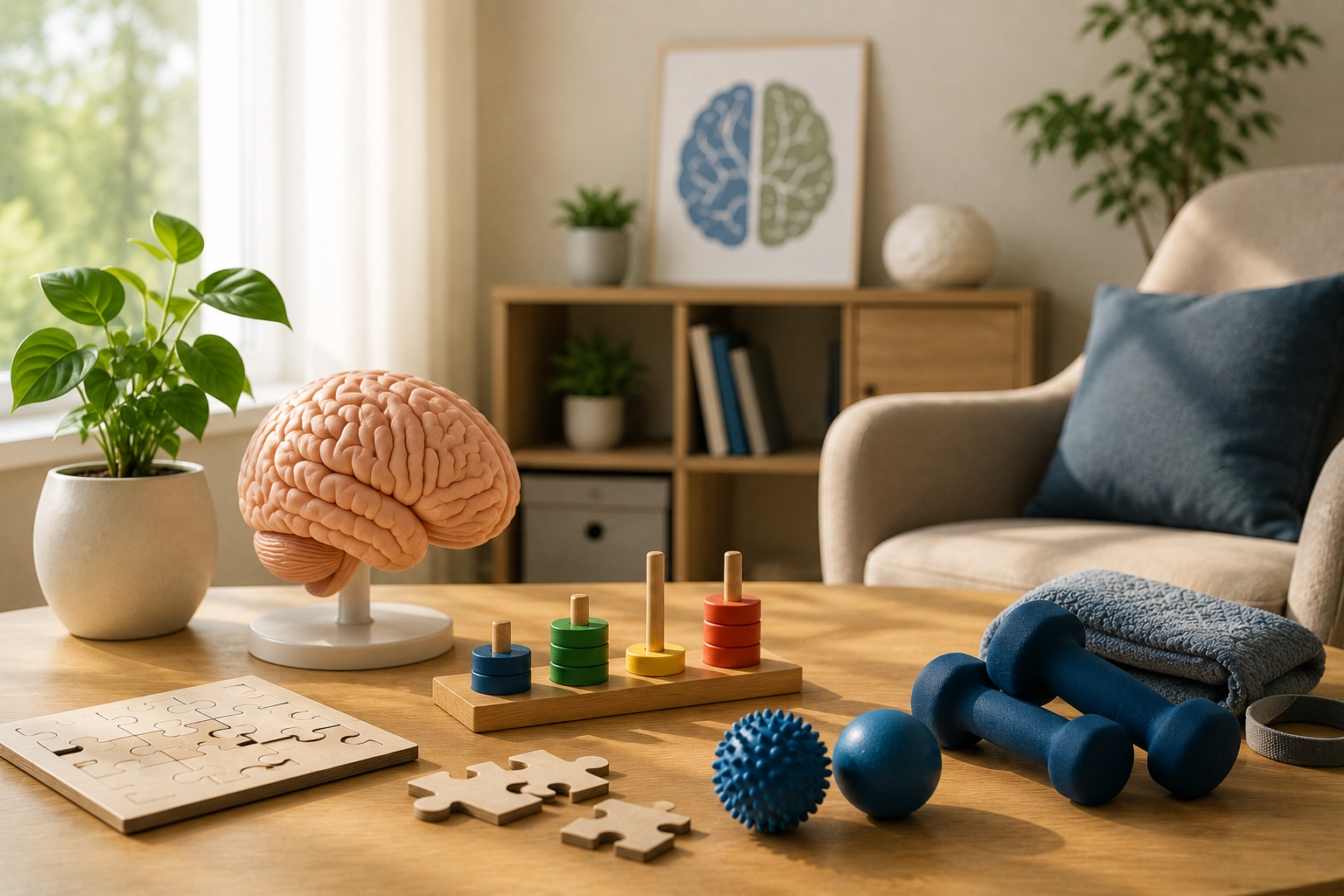
Physical Therapy
Rebuilding the physical basics — strength, balance, coordination, walking. For many stroke survivors, regaining the ability to move confidently and safely is the central challenge of recovery. Fall prevention becomes a serious focus here too.
Occupational Therapy
Getting dressed in the morning. Making a cup of tea. Managing personal hygiene. These things can become genuinely difficult after a stroke, and occupational therapy works on them directly. The goal is practical independence, built back up one task at a time.
Speech and Language Therapy
Not every stroke affects speech, but when it does, the impact on daily life is significant. Therapy works on speech clarity, language comprehension, and swallowing — which is affected more often than people realise and carries real safety implications.
Cognitive Rehabilitation
Attention, memory, problem-solving, processing speed — stroke can disrupt all of these. Cognitive exercises target the affected areas and work with the brain's natural ability to reorganise itself. This reorganisation — neuroplasticity — is the reason recovery is possible at all. Healthy brain regions gradually take over functions that were disrupted. It's slow, it needs consistent effort, but it's real.
What's Happening in the Brain
The effects of a stroke depend entirely on where the damage occurred. Someone with a stroke affecting the left side of the brain might struggle with speech and language. Someone with damage to the right side might have weakness on their left side or difficulty with spatial awareness. There's no standard presentation.
In the weeks following a stroke, the brain starts adjusting. Swelling reduces. Connections get rebuilt. Healthy regions start compensating for damaged ones. This process can continue for a long time — which is why writing off recovery too early is always a mistake.
Long-Term Management
Getting through the acute phase and completing rehabilitation isn't the finish line. Long-term stroke management is about two things: protecting what's been recovered, and making another stroke less likely.
Blood pressure control is probably the single most important factor. Beyond that — managing cholesterol, keeping blood sugar stable, staying physically active, eating reasonably well, taking medications as prescribed, not smoking. None of this is complicated, but it has to be consistent.
Follow-Up Care
Recovery timelines are unpredictable. Some people make rapid progress. Others plateau and then suddenly improve months later. Both happen. Regular follow-up keeps track of how things are going, catches any new problems early, adjusts the treatment plan as needed, and keeps prevention strategies on track.
It's not just a check-in. For stroke patients, consistent follow-up is part of the treatment.
Types of Stroke
Understanding the types helps guide treatment.
This is the most common type. It happens when blood flow is blocked. It may be due to:
- A clot forming in the vessel
- A clot traveling from another part of the body
This happens when a blood vessel bursts. It may include:
- Bleeding within the brain
- Bleeding around the brain
This is a temporary block. Symptoms may last for a short time and then improve. Even then, they are a warning sign. The risk remains and needs proper evaluation.
Treatment Approach
Treatment depends on the type of stroke and how early care begins.
Immediate care
- In ischaemic stroke, the aim is to restore blood flow. This may involve medicines or procedures.
- In haemorrhagic stroke, the focus is on controlling bleeding and reducing pressure in the brain.
Ongoing care
After the initial phase, care focuses on:
- Finding the cause
- Reducing future risk
- Supporting recovery
Each case needs an individual plan.
Prevention
Preventing stroke focuses on long-term health. Small changes over time can reduce risk.
Controlling blood pressure
Managing blood sugar and cholesterol
Avoiding tobacco
Staying active
Eating balanced meals
Regular check-ups
When to Seek Care
Stroke needs urgent care. Seek help if you notice any of the following. Even if symptoms improve, do not ignore them. Early action can prevent further damage.
Early evaluation helps identify the cause and guide treatment.
Dr Prabash's Approach
Dr Prabash's practice treats stroke as an ongoing process, not a single event. Every patient gets a care plan built around their specific situation — what functions were affected, what their daily life looks like, what they want to get back to.
The clinical focus covers accurate diagnosis, early intervention, structured rehabilitation, and long-term prevention. Quality of life sits alongside neurological recovery as an equal measure of success.
FAQs
Before Your Appointment
The most useful consultations start with a clear, honest picture of what's changed and what the person is trying to get back. The more specific you can be, the more useful the conversation becomes.
Symptoms
When did things start? What's changed since then? What activities have become difficult? Any issues with speech, memory, balance or movement worth flagging?
Medical records
Hospital records, brain imaging reports, medication lists, rehab notes, and any relevant family history.
Questions
- What does recovery look like from here?
- What rehabilitation is available?
- How do we prevent this from happening again?
Write them down — it's easy to forget in the moment.
Bring someone
A family member or caregiver in the room helps. They notice things, ask questions, and retain information that's easy to miss when you're the one being assessed.